
What to Wear in Iceland by Season: Layers, Footwear and Photography Tips
How to dress for Atlantic gusts, waterfall spray and winter frost using three smart layers without overpacking your suitcase.
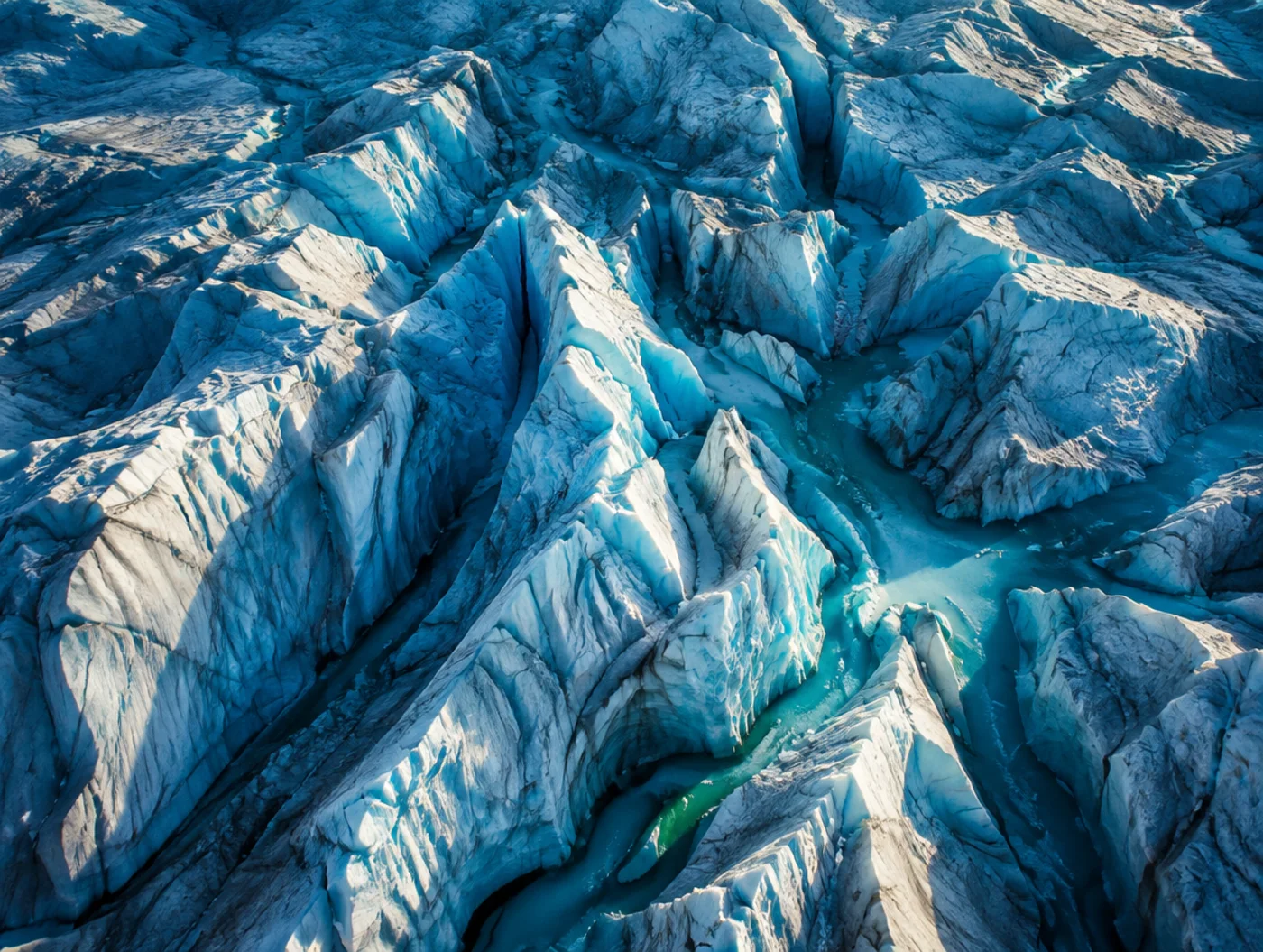
A single South Coast or Golden Circle tour can start under crisp Reykjavík blue skies, meet swirling spray behind a coastal waterfall and pass through a brief squall thirty minutes later. Contrary to myths of Siberian deep-freeze extremes, coastal southwest Iceland winters stay comparatively moderate thanks to North Atlantic currents [VERIFICAR]—the genuine comfort challenge is horizontal wind meeting moisture.
Staying warm, dry and camera-ready does not hinge on packing one massive city parka that soaks through in ten minutes, but on modular three-layer dressing that blocks ocean gusts while adjusting smoothly between heated vehicle seats and exposed overlooks.
1. The Modular Three-Layer System and Materials to Skip
Base layers against your skin must pull sweat away rapidly: merino wool or technical synthetic tops and thermal leggings outperform cotton dramatically, whereas damp denim jeans or cotton tees siphon warmth out of your body the moment you step into coastal wind.
Your mid-layer traps warmth via breathable fleece, traditional Icelandic wool knitwear (lopapeysa) or a lightweight insulated down/synthetic puffer. The outer third layer carries the real workload: a seam-sealed waterproof, windproof shell jacket with a snug hood paired with packable waterproof rain over-pants that shed both sideways squalls and heavy waterfall mist at Seljalandsfoss and Skógafoss.
2. Waterproof Hiking Boots, Wool Socks and Winter Microspikes
Broken-in, waterproof ankle hiking boots with deep rubber tread handle almost every sightseeing walk year-round. Mesh running sneakers or smooth urban fashion boots slip effortlessly on damp timber boardwalks, muddy tracks and wet volcanic gravel.
From October into April [VERIFICAR], slipping compact rubber-harness microspikes into your daypack gives instant confidence whenever walkways near Þingvellir or Gullfoss glaze over with packed frost. Wear one pair of cushioned wool hiking socks with enough toe wiggle room to keep circulation flowing smoothly.
3. Adjusting Packing Lists for Summer, Shoulder Seasons and Winter
In summer (June through August, when coastal temperatures commonly hover roughly between 8 °C and 15 °C [VERIFICAR]), trade heavy winter puffers for breathable fleece while keeping waterproof shells, waterfall rain pants, sunglasses for bright 20-hour days and a light wind beanie close by.
Shoulder months (April–May and September–October) rotate rain, hail and sun swiftly, making thin touchscreen liner gloves handy for cameras. In winter—and particularly during late-night Northern Lights waits—layer a warm neck gaiter, windproof ear-covering beanie and insulated outer mittens over liner gloves.
4. Choosing Shell Colors for Great Photos and Organizing a Daypack
Every excursion includes 15 edited pro photos (and 30+ on a Private Photo Session). Because Iceland’s dramatic backdrop blends black basalt, white snow, deep green moss and slate ocean skies, wearing an outer shell in warm contrasting shades—such as terracotta rust, ochre yellow, brick red or cobalt blue instead of pure black—separates subjects naturally without heavy post-processing.
Keep a small daypack inside the vehicle stocked with dry microfiber cloths for glasses and lenses, a refillable bottle for Iceland’s crisp local tap water [VERIFICAR], lip balm and a spare pair of dry gloves.
5. What to Leave Behind and Protecting Phone Batteries in Sub-Zero Cold
Three common city-travel staples fail immediately out on Icelandic coastal routes: collapsible umbrellas—which snap inside seconds under Atlantic waterfall gusts—cotton denim jeans worn without waterproof over-pants, and bulky rolling suitcases on shared excursions where only a compact daypack rides in cabin space.
Finally, tuck your smartphone or spare camera batteries inside a warm zippered chest pocket between viewpoint stops during frost or aurora waits; exposed lithium-ion batteries shed voltage far faster in sub-zero air [VERIFICAR].
6. Final Seasonal Clothing & Footwear Checklist Before Zipping Your Bag
Before zipping your luggage for Reykjavík, double-check six core items that unlock every 4-to-14-hour excursion smoothly: moisture-wicking thermal base layers (merino wool or synthetic, never cotton jeans), a warm fleece or packable puffer mid-layer, a hooded seam-sealed waterproof windbreaker jacket, packable rain over-pants for waterfall spray, broken-in waterproof lug-sole hiking boots paired with wool socks, plus wind-blocking gloves, beanie and seasonal winter microspikes.
Dressing modularly keeps your suitcase compact while guaranteeing dry comfort from Seljalandsfoss mist to late-night aurora clearings.
Above all, prioritizing breathable waterproof outerwear and stable traction lets you focus 100% on glacial canyons, basalt cliffs and volcanic craters rather than shivering through damp wind, ensuring every stop from Gullfoss to Reynisfjara feels effortless regardless of season. Pack smart once, layer thoughtfully by morning wind forecasts, and enjoy every Icelandic overlook calmly with dry gear and lasting memories. When in doubt between heavy wool and lightweight technical shells, remember windproofing outside beats extra bulk underneath every single day.